Successful initiative expands to Warren Street this fall, bringing staff and students a proven approach to connection and behavior support
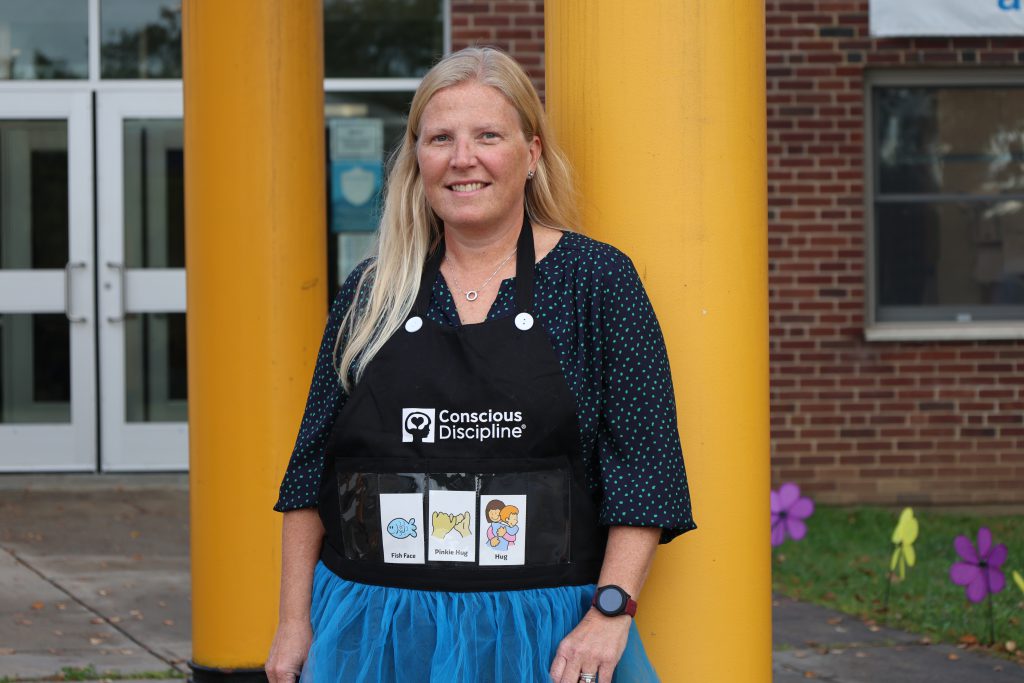
There’s been a noticeable shift in the culture at Pleasant Avenue Elementary this school year. Outgoing Pleasant Avenue Principal Cory Cotter, who was recently named as the District’s Director of Elementary Education, credits the change to the building-wide implementation of Conscious Discipline.
So, what is Conscious Discipline?
“Conscious Discipline is a research-grounded, adult-first approach to supporting behavior and learning – one that equips educators to respond with calm, connection, and a focus on skill-building,” Cotter said. “When children feel safe, they are able to learn; and when adults feel supported, meaningful change becomes possible,” she added.
The program helps students develop critical life skills such as empathy, respectful interactions, and the ability to identify and regulate their emotions. Most importantly, it supports their growth by fostering a sense of safety and connection, reinforcing the idea that school is a family.
“Conscious Discipline has proven to be truly transformative for our students and staff, fostering stronger relationships, emotional awareness, and a more supportive learning environment,” Superintendent Alicia D. Koster said. “Building on this success, we are excited to expand the initiative to Warren Street Elementary, where Mrs. Cotter will lead its implementation for grades 2-4 next school year. This next step reflects our continued commitment to supporting the whole child and ensuring every student has the tools to thrive academically and socially.”
“Warren Street staff have been learning the principles of Conscious Discipline since January, and this summer we will engage and educate families so they can partner with us,” Cotter said. “The program will look slightly different at Warren Street, as activities will evolve to be age-appropriate, but the core concepts will remain the same.”
Morning Greetings
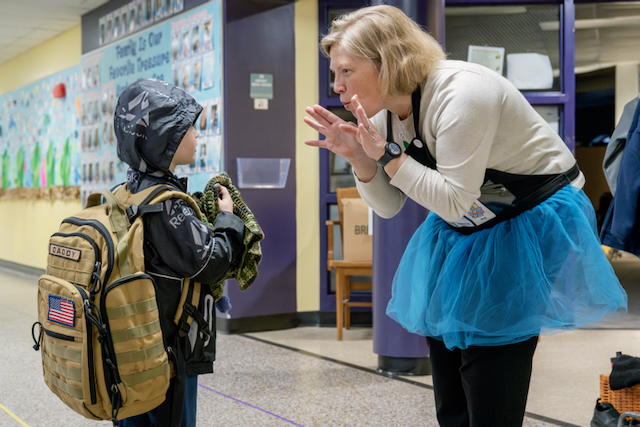
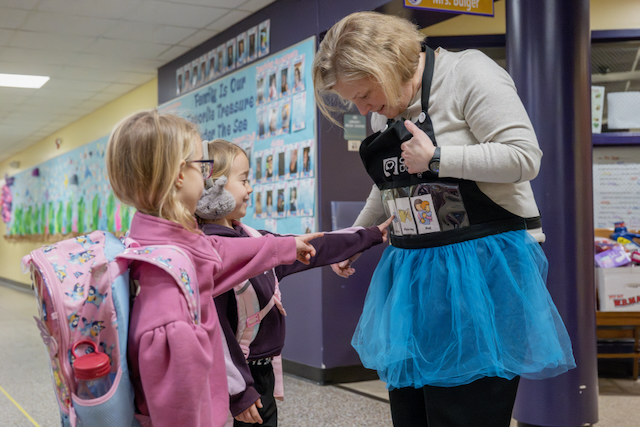
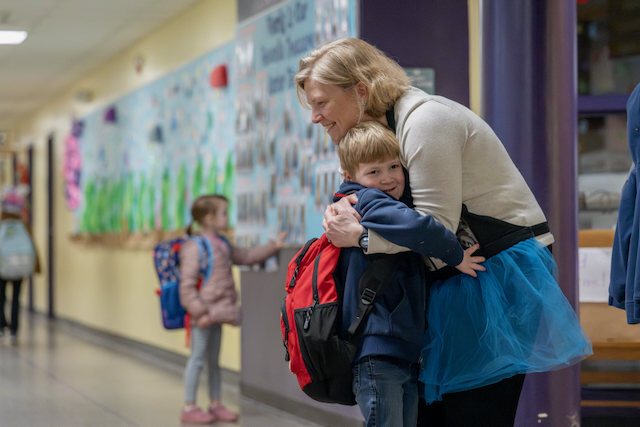
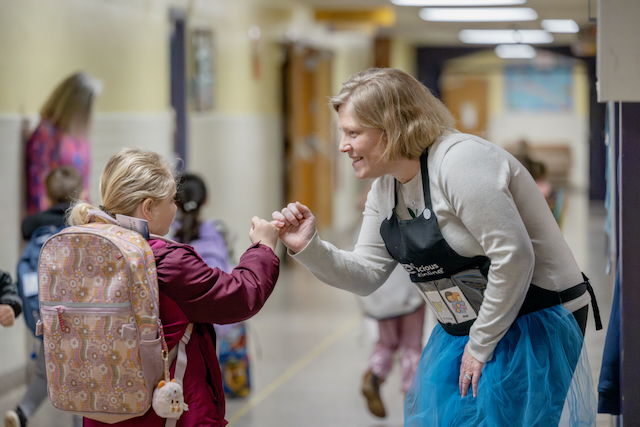
Mornings at Pleasant Avenue begin with individual warm greetings from Cotter for every student who chooses to participate. Students can select from three options with varying levels of contact: a no-contact “fish lips,” a medium-contact pinky handshake, or a full-contact hug.
“Hugs are by far the most popular greeting,” Cotter said.
These personalized greetings are designed to help children start their day on the right foot, and put a smile on their face. Cotter also makes a point to make eye contact with each student during their greeting, reinforcing a sense of connection from the very start of the day.
Family
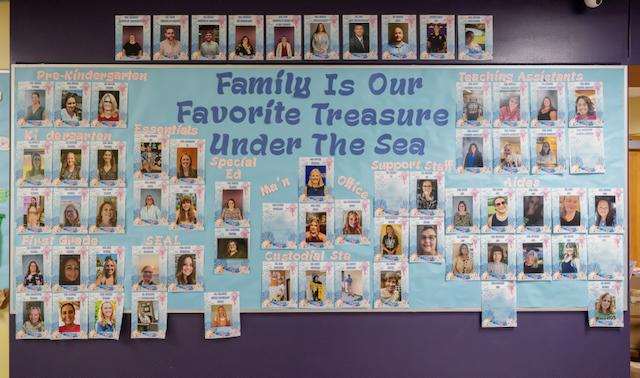
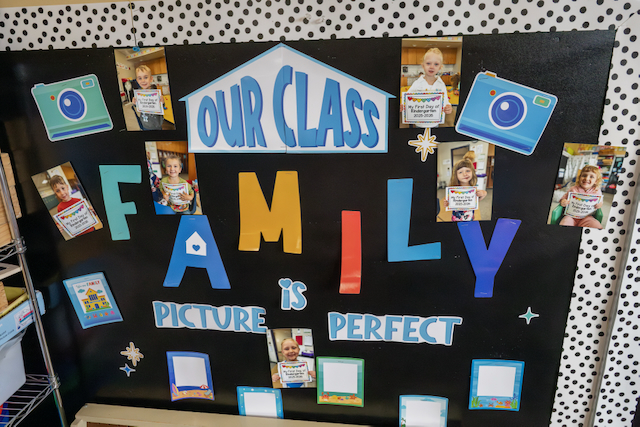
Everywhere you look, the concept of family is woven into daily life at Pleasant Avenue. Hallways are decorated with a “family tree” that includes everyone who works in the building – teachers, secretaries, cafeteria staff, and custodians alike. Each classroom also features its own “family tree,” representing the teacher, aides, and every classroom student.
The goal of cultivating this family-like environment is to give students a strong sense of emotional security and connection, while surrounding them with adults who model positive, healthy behaviors.
“When adults intentionally model respect, conflict resolution, and effective communication, students aren’t just hearing about these skills—they’re seeing them in action,” Cotter explained. “When a child feels connected to their ‘school family,’ it encourages cooperation and teamwork. Students begin to see themselves as contributors to the group, not just individuals expected to follow rules.”
Brain Smart Starts & Daily Commitments
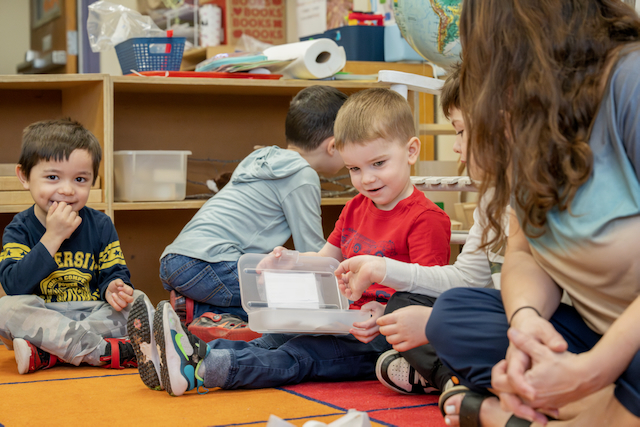
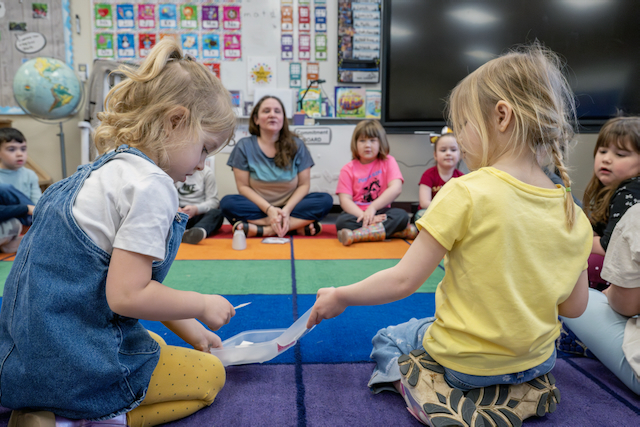
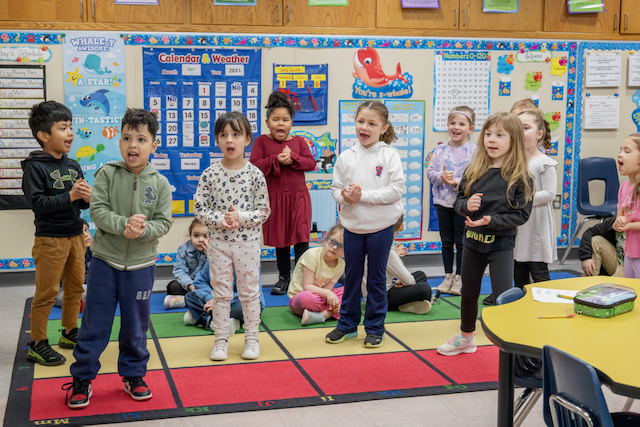
Many classrooms start their day with morning meetings they call “Brain Smart Starts,” a short intentionally structured daily routine that aims to shift students into an optimal “learning state” by meeting core emotional needs: safety, connection, and regulation.
The gatherings give students a chance to greet each other face-to-face, share stories and connect as a group. Students will participate in some sort of regulation exercise led by the teacher that usually involves deep breathing, stretch or gentle movement.
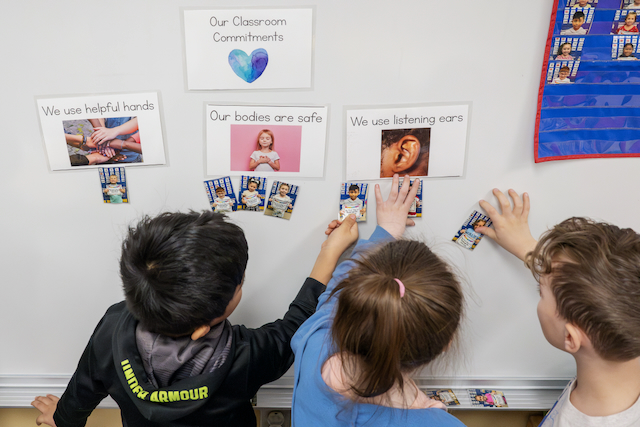
From there, students commit to positive actions for the day. Instead of telling students what not to do, this exercise helps teachers guide students to choose and verbalize what they will do. Over time, these daily commitments help students internalize positive behavior as a choice, not just a rule to follow.
Identifying & Regulating Emotions
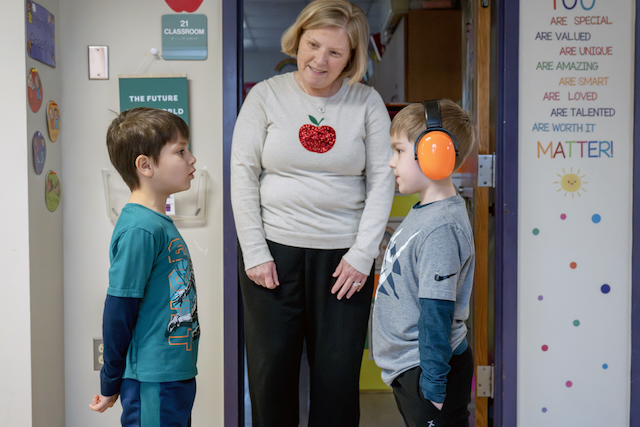
Another key component of Conscious Discipline is helping students recognize and understand their emotions. When feelings run high, students are given the vocabulary to clearly express how they feel, along with the tools they need to calm themselves and regain control.
“So many of our students arrive at school with dysregulated emotions,” Cotter said. “Maybe they didn’t get a good night’s sleep. Maybe they’re hungry. Maybe their home life is unstable, leaving them emotionally and physically exhausted. We take the time to address those needs before expecting them to fully engage in learning.”
Identifying Emotions
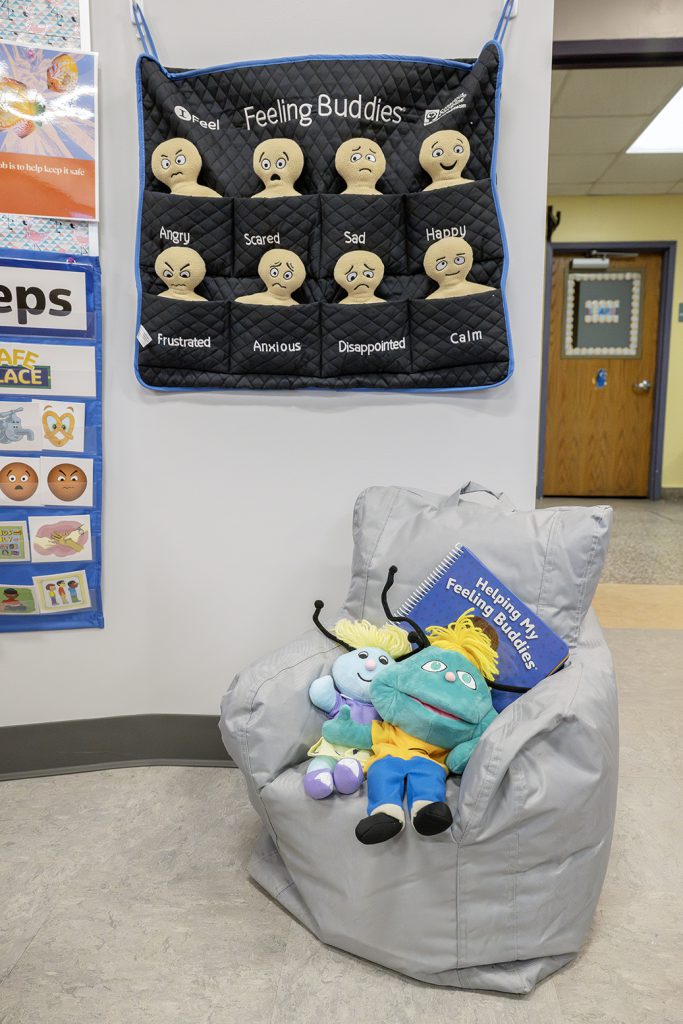
When students visit Mrs. Cotter’s office, they have access to a range of resources designed to guide conversations and help them identify what they’re feeling – a foundational skill that supports both academic success and overall well-being in elementary-aged children.
“Many challenging behaviors stem from frustration tied to unidentified emotions, so giving students the language to express themselves can help reduce disruptions over time,” Cotter said. “When students are able to manage their feelings, they’re more focused, engaged, and ready to participate in academics and daily classroom activities.”
Active Calming Stations
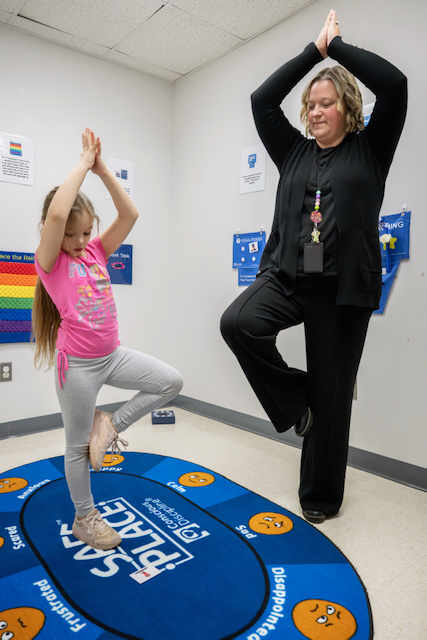
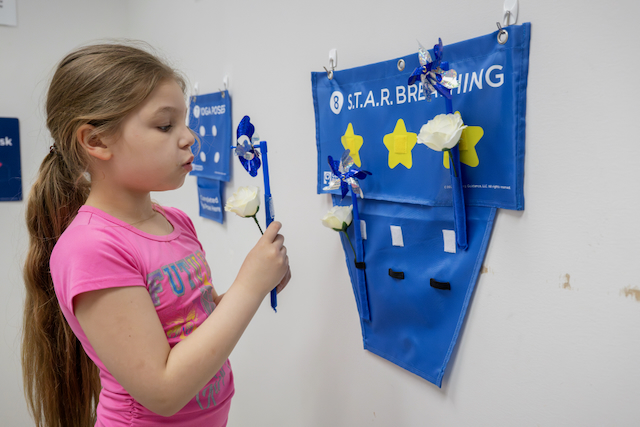
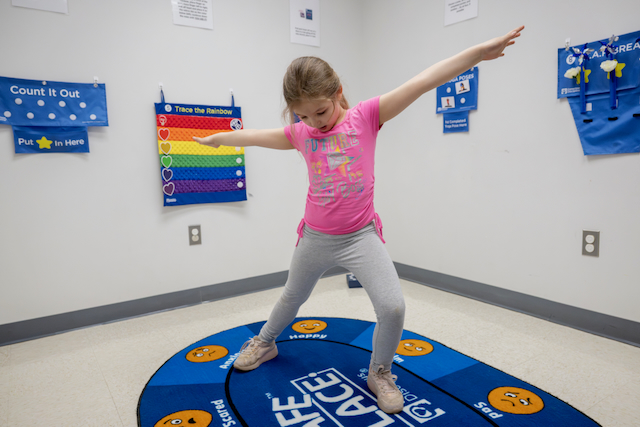
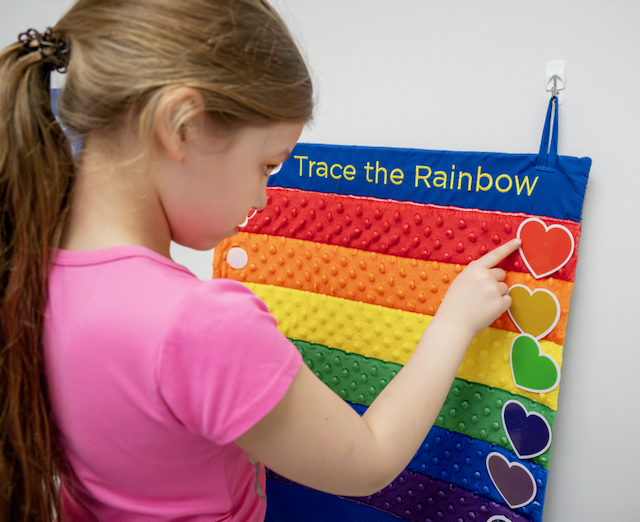
One method used to support emotional regulation is the use of an Active Calming Station. At Pleasant Ave., a room has been transformed into a dedicated space where a student can engage in intentional physical and sensory activities. The stations include activities like yoga poses, breathing exercises, visual puzzles, and stretching movements. Each station is designed to promote movement and active engagement while encouraging the child to think, focus, and apply self-regulation strategies. The overall goal of the calming station is to help children develop the skills needed to calm themselves independently over time.
First grade teacher Rachel Harrington said the calming station has been a critical tool for some of the children in her room.
“At the beginning of this school year, I was visiting the calming station every single morning with a couple of my students. They needed time to regulate before we could jump into academics,” she said. “Now, they’re starting to recognize when they need a break and are using the strategies independently. It’s been incredibly powerful to watch them build those skills. In fact, we rarely need to visit the calming station anymore – but we’re grateful it’s there when we do.”
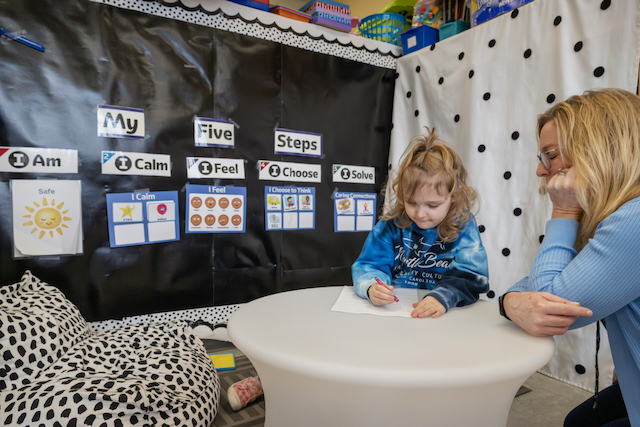
Calming Corner
Some classrooms have introduced Calming Corners – intentionally designed spaces where students can go to self-regulate their emotions and behaviors, rather than being sent away as a form of punishment.
“Calming corners are not punitive,” Cotter explained. “They are restorative in that they help children use techniques to calm themselves down instead of relying on an adult to correct their behavior, allowing them to return to learning when they’re ready.”
Special education teacher Jaclyn Whitman says the Calming Corner in her room has been a tremendous asset. “The calming corner gives students a safe, supportive space to pause, reflect, and use the strategies we’ve practiced. Instead of feeling singled out or punished, they’re learning how to manage their emotions independently – and that confidence carries back into their learning, which has been amazing to see,” she said.
Teaching Connection & Empathy
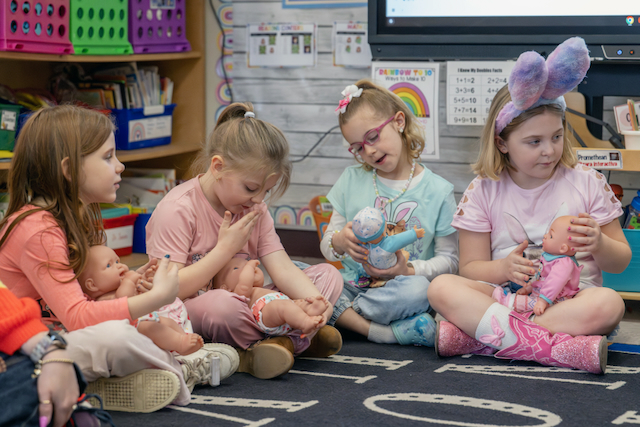
Baby Doll Circle Time
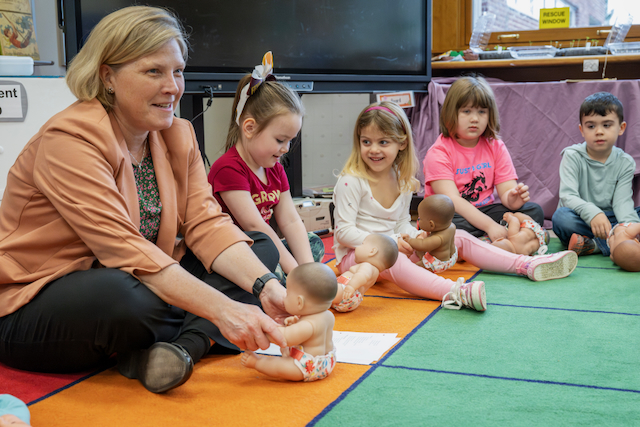
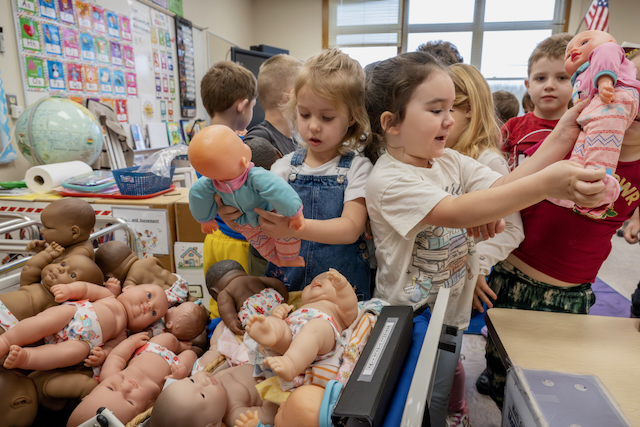
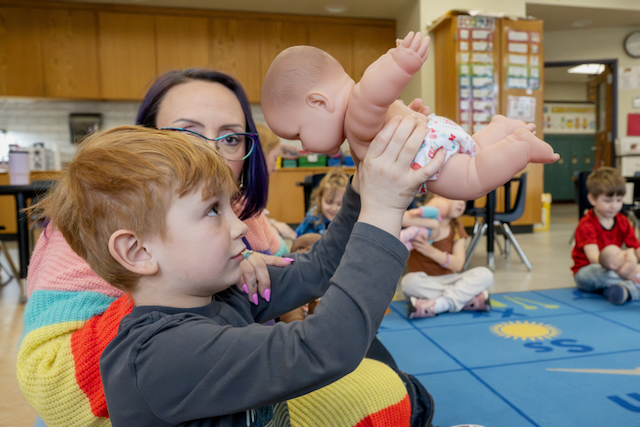
Cotter introduced a play-based activity called Baby Doll Circle Time this year for students in PK–1, unsure at first how it would be received. She has been pleasantly surprised by just how much the students enjoy and engage with it.
The activity invites students to sit in a circle, each with their own baby doll, as Cotter guides them through experiences that teach and reinforce caring, gentle, and kind behaviors. It also fosters empathy, helping children understand that the way they care for their baby doll reflects how they can care for others.
“Young children often learn through imitation and play. Using baby dolls as models has been a creative and effective way to visually teach kindness and empathy,” Cotter said. “We also encourage students to practice human connection by making eye contact with their baby dolls while naturally incorporating deep breathing and relaxation techniques as they put their babies down for a nap at the end of the lesson.”
Conflict Resolution
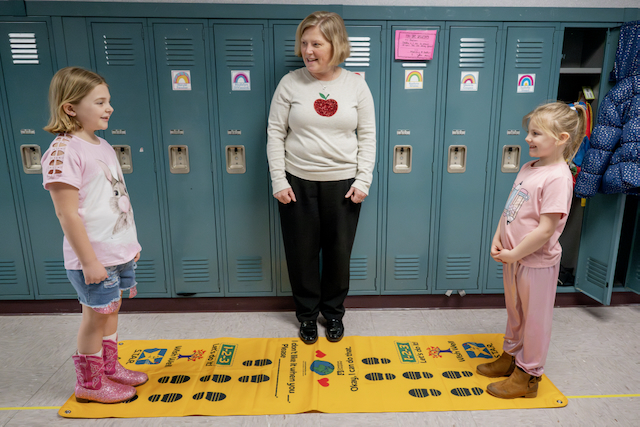
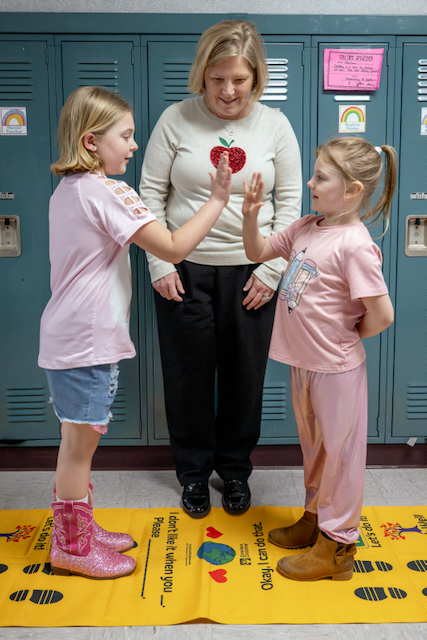
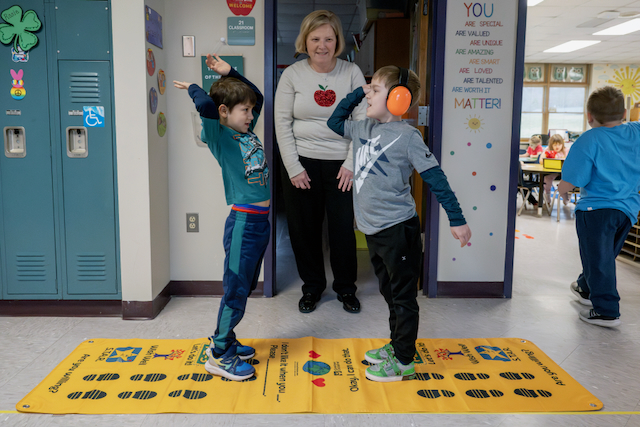
Conscious Discipline treats conflict as a set of learnable skills, grounded in the belief that better behavior grows from stronger emotional tools, not stricter consequences. When students experience conflict, they can use the “Time Machine Mediation Mat” to work toward understanding with a classmate.
The first and most essential step is emotional regulation, ensuring students aren’t bringing anger or heightened emotions into the conversation. Once calm, the process guides them through a series of steps that support clear communication and help them articulate what’s bothering them.
“This mediation tool isn’t about placing blame—it’s about building the confidence to express how someone’s actions made them feel,” Cotter said. “The Time Machine has been a valuable resource for helping students resolve small differences, but at its core, it teaches a skill they can carry with them for the rest of their lives.”