
While the return of driver education to Johnstown High School after a 23-year absence gives students vital behind-the-wheel training, health teacher and certified driver education instructor Kristy Lynch is equally focused on teaching them why those lessons matter.
To bring the classroom curriculum to life, Lynch is connecting students with community members, first responders and local leaders who know firsthand how a single decision on the road can alter lives forever.
A survivor’s perspective
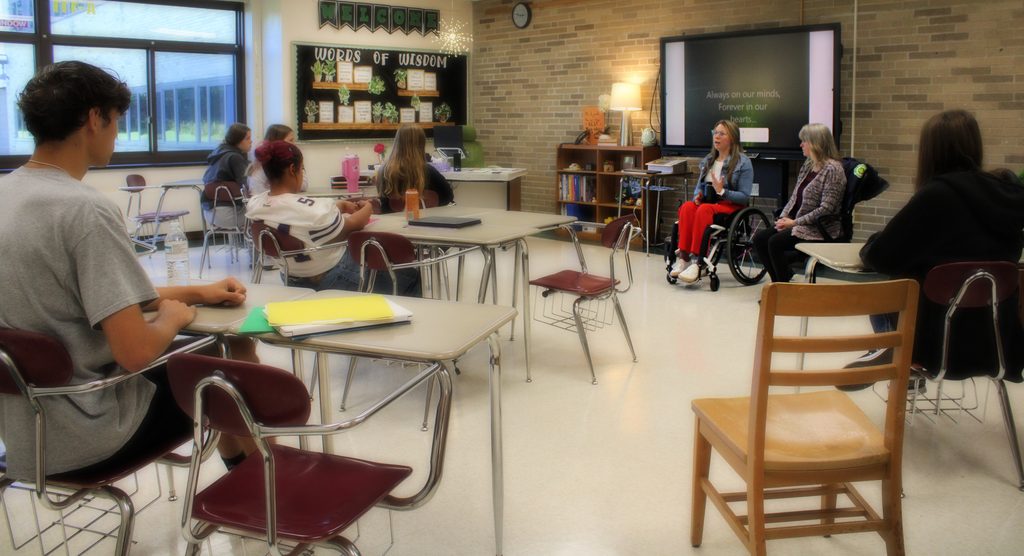
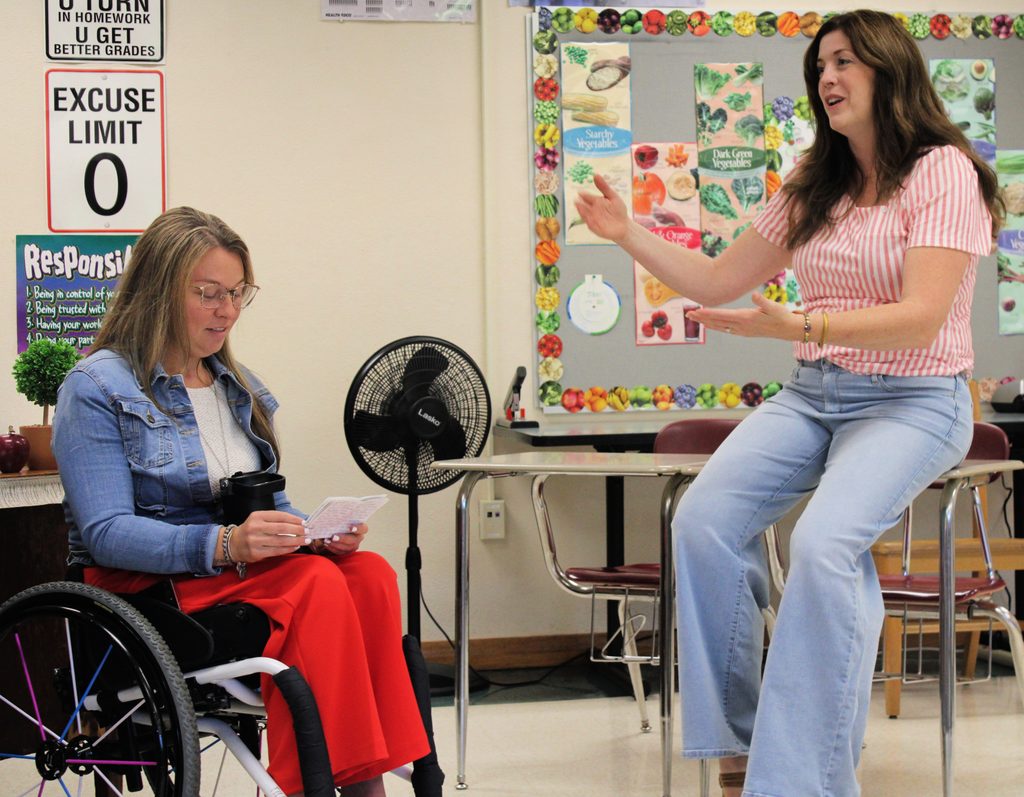
One of the first guest speakers to visit the class was former Johnstown student Kelsey Insogna, who, along with her mother, Krissie Pinkerton, shared a deeply personal account of a tragic crash.
At 17, the same age as many of the students sitting in the classroom, Insogna got into a car with a driver she knew had a tendency to speed. Despite her reservations and a warning from her father, she felt safe because her older brother, CJ, was with her.
The crash changed everything.
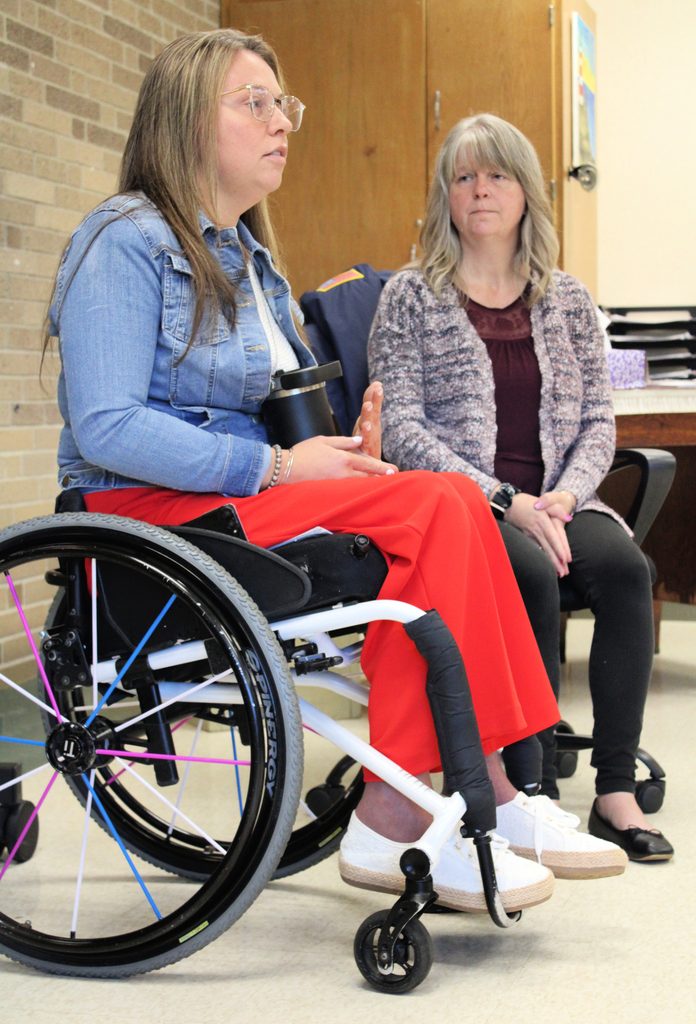
CJ was killed, while Insogna survived with life-altering injuries. She spent 40 days in a coma and now uses a wheelchair. Nearly 15 years later, she continues to navigate the effects of a permanent spinal cord injury, including chronic pain, ongoing health challenges and barriers that extend far beyond mobility.
“When you’re young, you think you’re invincible. You think a tragedy like this happens to someone else,” Insogna told students. “My brother was wearing his seat belt, and he didn’t make it home. I wasn’t wearing mine, and I survived. That experience taught me that there are so many factors you can’t control. What you can control are the choices you make, who you ride with and whether you speak up when something doesn’t feel right.”
Reflecting on that night, Insogna urged students to trust their instincts and never ignore warning signs. Her mother followed with a powerful reminder that the consequences of a poor decision extend far beyond the vehicle.
“Think of yourselves, your siblings, your parents, your grandparents,” Pinkerton told students. “Your parents don’t want to bury their child. Your parents don’t want to plan your funeral, or the parents of anyone that you could potentially injure through poor choices.”
Turning pain into purpose
For Lynch, bringing these voices into the classroom is deeply personal. When she was 16, her older brother was killed in a car crash just two weeks before his 19th birthday.
“It rocked our family’s world and changed the whole dynamic of our family forever,” Lynch said. “You don’t get a redo with life. Nobody thinks that this is going to happen to their family, or how much it changes everyone left behind. My sons will never know who their uncle is. He is forever 18.”
In the aftermath of that tragedy, Lynch found guidance and purpose through her own high school physical education teacher, Niceta Mueller, who encouraged her to pursue a career in health and physical education and later urged her to earn her driver education certification.
“You need people who help redirect you after something like that and get you back on track,” Lynch said. “My struggle and my pain are useful to others. Once the scar heals over, it’s still there, but you can use it. I don’t want another family to experience what we experienced.”
Law enforcement and legal realities
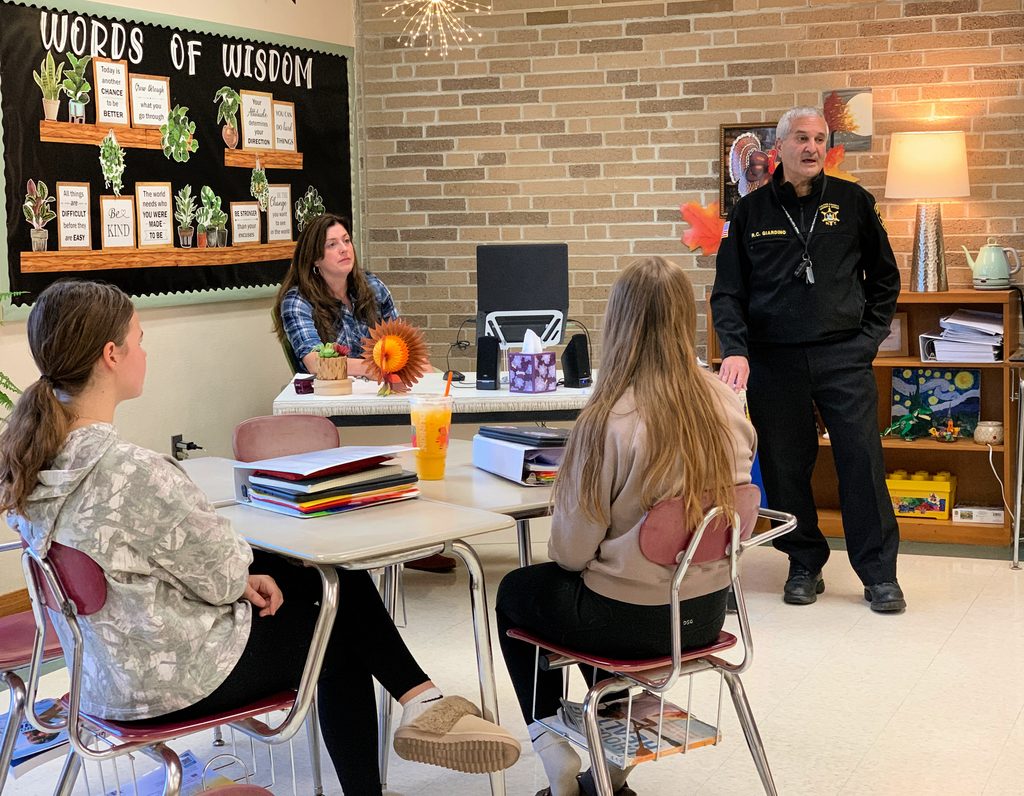
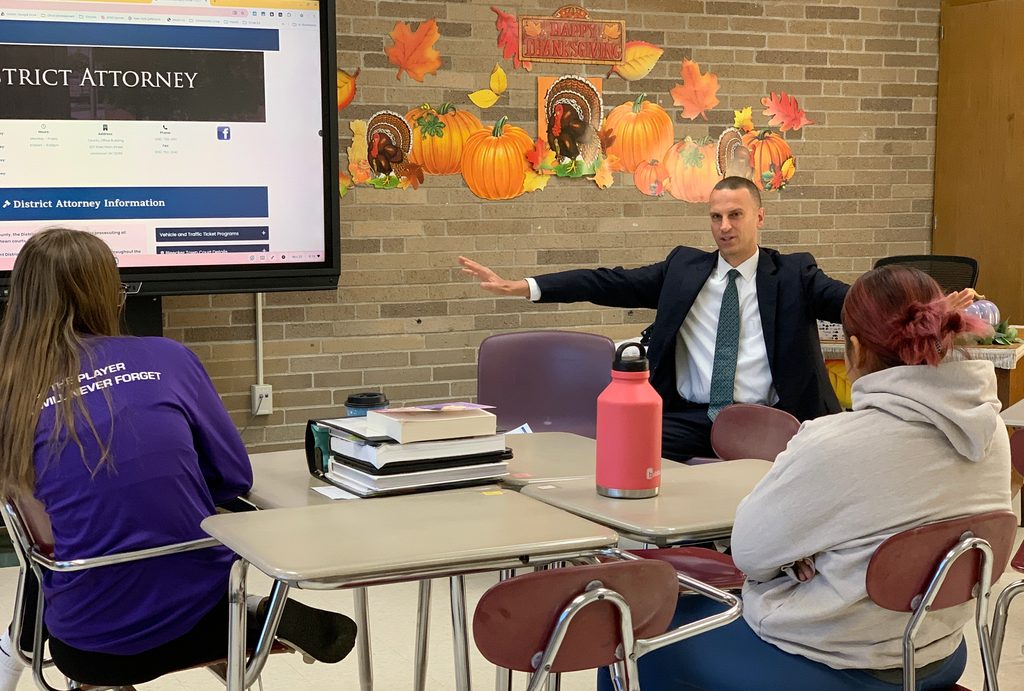
To give students a complete picture of what happens on local roadways, Lynch also welcomed Fulton County Sheriff Richard Giardino and First Assistant District Attorney Jim Riley, who serves as the county’s STOP-DWI coordinator, to speak with the class.
Giardino and Riley outlined the three leading causes of crashes among young drivers: inexperience, distracted driving, including texting and having multiple peers in the car, and impairment from alcohol or marijuana.
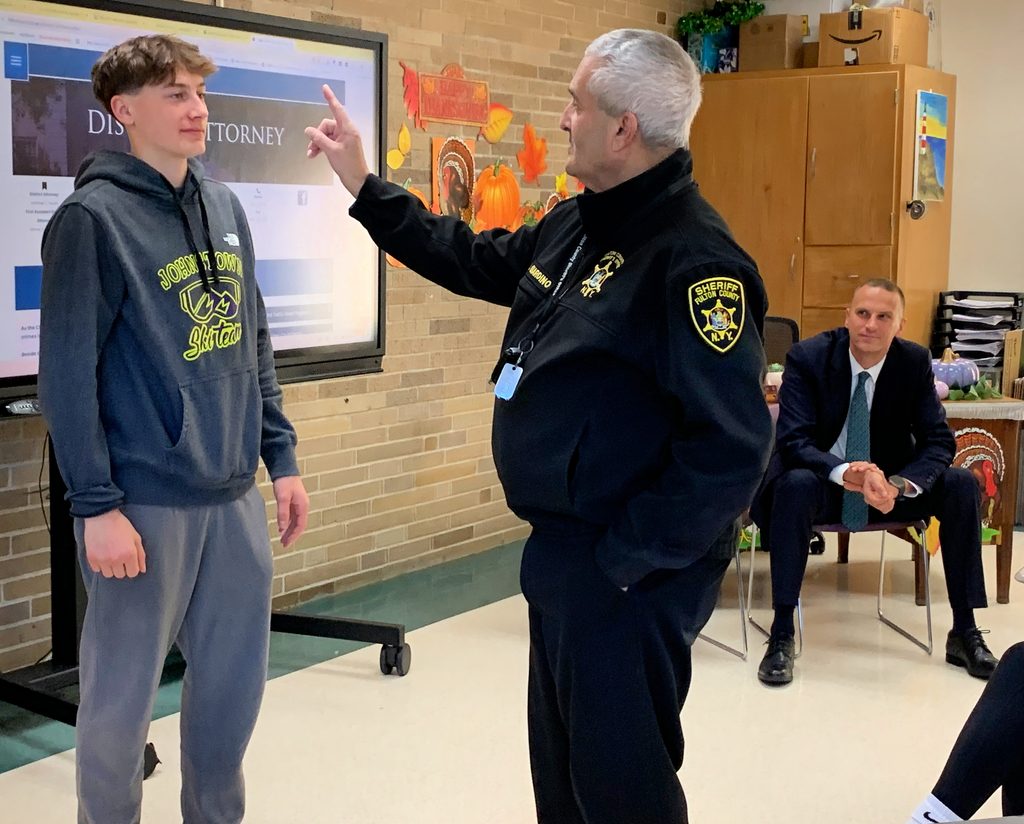
During the interactive session, Giardino invited student volunteers to the front of the room and walked them through standard field sobriety tests, including the walk-and-turn, one-leg stand and horizontal gaze nystagmus eye test, while explaining how even small amounts of alcohol or THC impair balance, reaction time and judgment.
He also spoke candidly about the human toll carried by first responders in a close-knit community, recalling the weight of knocking on doors to deliver devastating news to families he has known his entire life.
Riley walked students through the steep legal and financial consequences of impaired driving under New York’s Zero Tolerance law, explaining how a violation or misdemeanor charge can lead to license suspension, heavy fines, skyrocketing insurance rates, an ignition interlock device or felony charges in the event of a serious crash.
He shared information on STOP-DWI initiatives, including annual prom-week safety displays like the Amy Stock memorial trailer, funding for safe post-prom events and scholarships for seniors pursuing careers in law enforcement or health care. Riley also offered practical advice for young drivers during traffic stops: stay calm, keep both hands visible on the steering wheel and ask the officer before reaching into a glove compartment or console.
A full-circle lesson
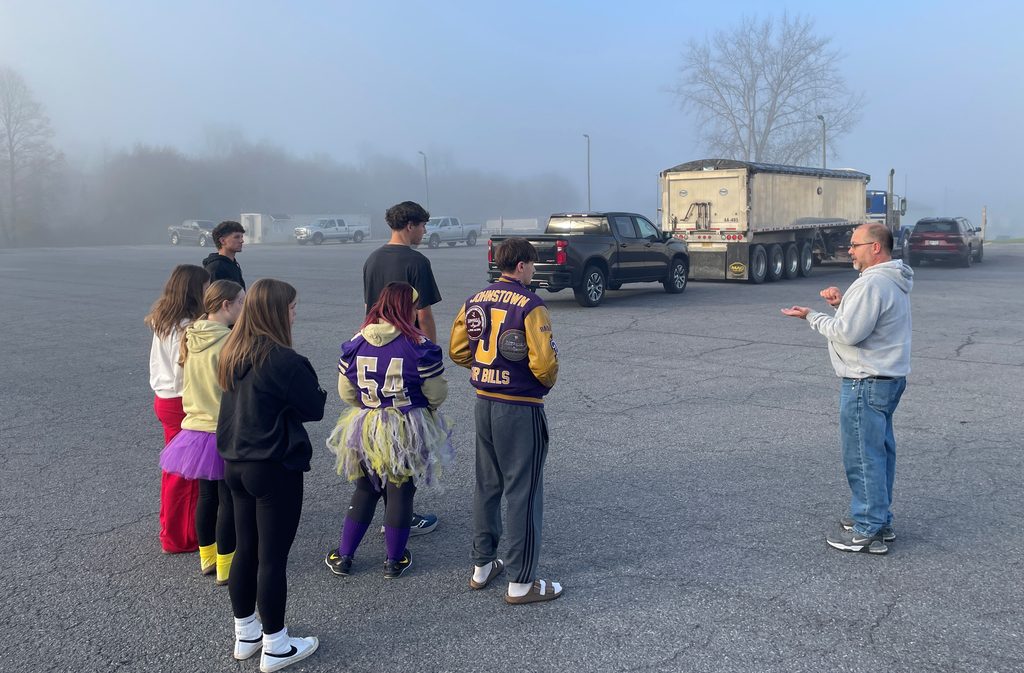
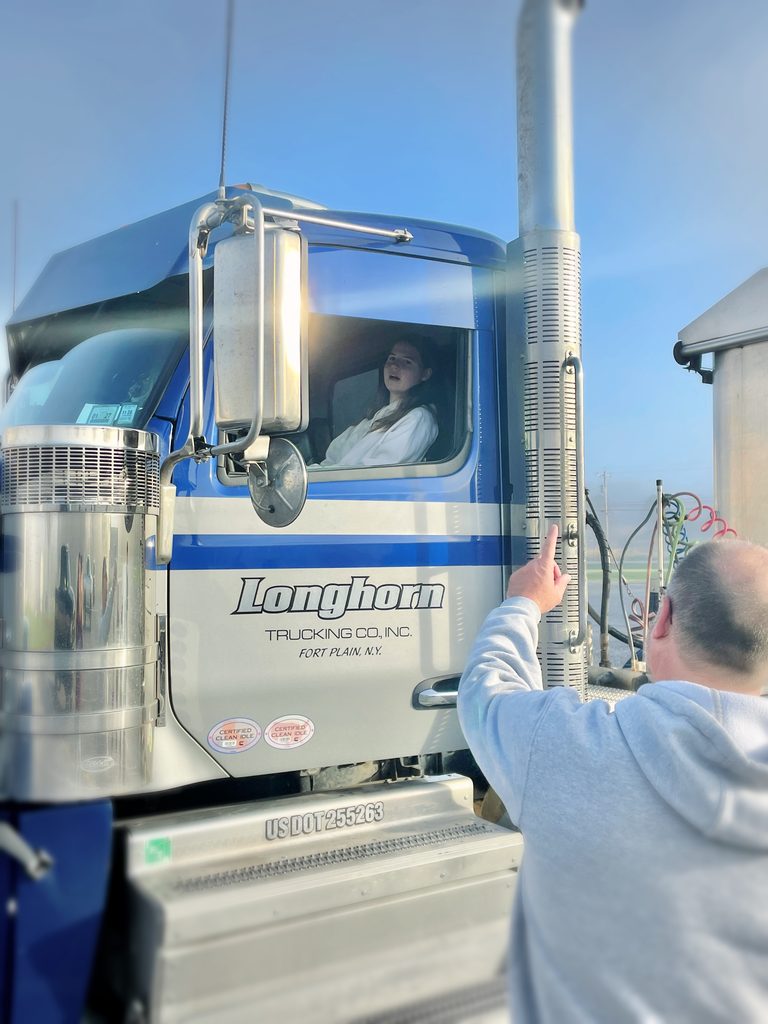
To give driver education students a hands-on lesson in sharing the road with commercial vehicles, Lynch also partnered with local business Longhorn Trucking.
During the visit, students climbed into the cab of a tractor-trailer and looked through the mirrors while a passenger car was intentionally parked in the truck’s blind spot.
By experiencing the truck driver’s vantage point, students saw how easily a car can disappear from view and why they need to pass large trucks safely without lingering beside them.
The safety lessons also extend beyond driver education into Lynch’s health classes, where students are learning about the broader impact of impaired and reckless driving. As part of the curriculum’s alcohol unit, Lynch plans to welcome Air Force veteran Evan Wieczenski, who suffered a severe traumatic brain injury in a 2023 head-on crash caused by an impaired driver, to share what his family has experienced.
Superintendent Alicia D. Koster emphasized that combining classroom instruction with community voices is central to the program’s mission.
“Our goal is not simply to help students become licensed drivers,” Koster said. “We want them to become thoughtful, responsible decision-makers who understand the impact their choices can have on themselves and others. By combining classroom instruction, hands-on experience and personal stories, we’re helping students develop habits that can keep them safe throughout their lives.”